

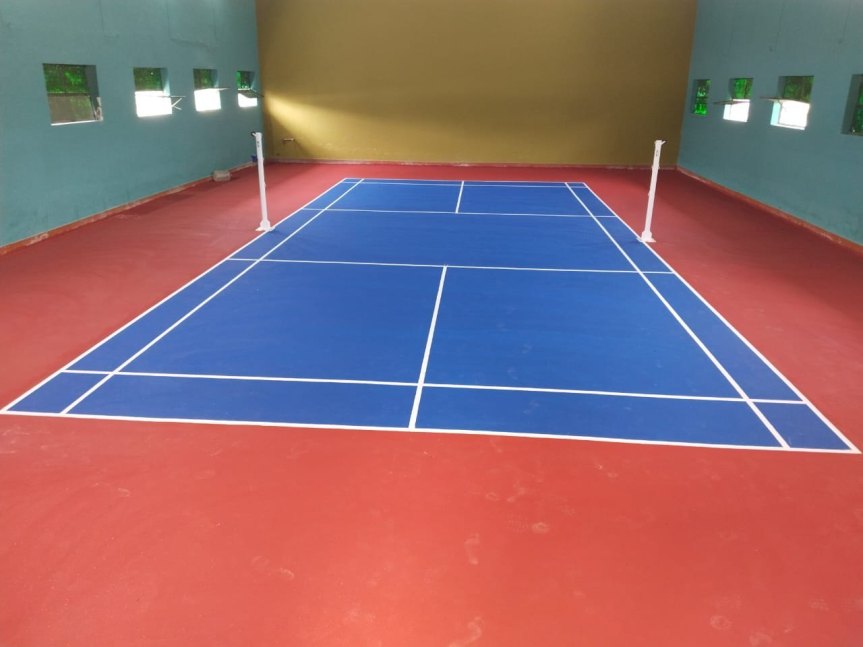
Tennis might look simple from the outside—a racket, a ball, and a net—but the surface beneath your feet plays a far bigger role than most people realize. Tennis court flooring is not just about aesthetics or cost; it directly affects gameplay, player safety, and even long-term maintenance commitments. Whether you’re building a backyard court or planning a professional sports facility, the foundation you choose will define the entire playing experience.
Think of the court surface as the personality of the game. A fast-paced rally on a hard court feels entirely different from the slower, strategic exchanges on clay. The bounce of the ball, the speed of movement, and even the physical strain on players all hinge on flooring choices. This is why global tournaments carefully select surfaces to shape the nature of competition. According to insights often discussed in Sports Infrastructure News, the evolution of tennis flooring has been driven by both performance science and player safety considerations.
Another crucial aspect is durability. Tennis courts are exposed to extreme weather conditions—heat, rain, and sometimes snow—so the material must withstand environmental stress while maintaining consistent performance. Additionally, maintenance requirements can vary drastically. Some surfaces demand daily care, while others can go weeks with minimal attention.
From a broader perspective, tennis court flooring also reflects advancements in sports engineering. Modern surfaces are designed with shock absorption, water drainage, and even eco-friendly materials in mind. These innovations ensure not only better gameplay but also sustainability and cost efficiency over time.
Why Flooring Matters in Tennis Performance
When you step onto a tennis court, you’re not just playing against your opponent—you’re also playing against the surface. The flooring dictates how fast the ball travels, how high it bounces, and how quickly players can react. It’s like driving different cars on different terrains; the same player can feel like a completely different athlete depending on the court beneath them.
Hard courts, for instance, offer a consistent and predictable bounce, making them ideal for aggressive baseline players. Clay courts, on the other hand, slow down the game and produce higher bounces, encouraging longer rallies and strategic play. Grass courts bring an entirely different dynamic, with low and fast bounces that favor quick reflexes and serve-and-volley tactics.
Player safety is another major factor. Poor-quality flooring can increase the risk of injuries such as ankle sprains or knee strain. Modern courts often include cushioned layers to reduce impact on joints, especially in high-performance environments. This is particularly important for professional players who spend hours training and competing.
Additionally, surface friction plays a key role. Too much grip can hinder movement, while too little can lead to slipping. Striking the right balance ensures players can move confidently without compromising speed or safety.
Key Factors That Influence Surface Selection
Choosing the right tennis court flooring isn’t a one-size-fits-all decision. Several factors come into play, each influencing the final outcome in a meaningful way. The first and most obvious consideration is budget. Some surfaces, like grass courts, are expensive to install and maintain, while others, like hard courts, offer a more cost-effective solution.
Climate is another critical factor. In regions with heavy rainfall, clay courts may require extensive maintenance, while synthetic or hard courts with proper drainage systems perform better. Similarly, extreme heat can affect certain materials, making heat-resistant coatings a necessity in warmer climates.
Usage frequency also matters. A court used occasionally for recreational play doesn’t need the same level of durability as one used for tournaments or training academies. High-traffic courts benefit from robust materials that can withstand constant use without degrading quickly.
Finally, player preference and skill level should not be overlooked. Beginners might prefer slower surfaces that allow longer rallies, while advanced players may seek faster courts to sharpen their skills. The right choice ultimately balances performance, cost, and practicality.
Types of Tennis Court Surfaces
Hard Courts Explained
Hard courts are arguably the most popular choice worldwide, and for good reason. They strike a balance between performance, durability, and maintenance, making them suitable for both recreational and professional use. If you’ve ever watched the US Open or Australian Open, you’ve already seen hard courts in action.
These courts are typically constructed using a concrete or asphalt base, topped with acrylic layers that provide color, texture, and cushioning. The result is a surface that offers a consistent bounce and moderate speed, making it ideal for all-around play styles. Players who rely on powerful serves and baseline shots often thrive on hard courts.
One of the biggest advantages of hard courts is their low maintenance requirements. Unlike clay or grass, they don’t need daily upkeep. Occasional cleaning and resurfacing every few years are usually enough to keep them in good condition. This makes them a practical choice for schools, clubs, and residential properties.
However, hard courts are not without drawbacks. They can be tough on the body, especially for players with joint issues. The rigid surface offers less shock absorption compared to clay or cushioned synthetic courts. That said, modern innovations have introduced cushioned hard courts that significantly reduce impact stress.
Acrylic and Concrete Surfaces
Acrylic coatings are the secret sauce behind most hard courts. These coatings not only provide the iconic blue or green color but also enhance grip, durability, and weather resistance. They are applied in multiple layers, each serving a specific purpose—from sealing the base to creating a textured playing surface.
Concrete or asphalt forms the backbone of the court. This base ensures structural stability and longevity. A well-constructed base can last decades, making it a solid investment for long-term use. The combination of a strong base and flexible acrylic layers creates a surface that can handle heavy usage without compromising performance.
One interesting aspect of acrylic surfaces is their customization potential. Court owners can adjust the speed and cushioning by modifying the composition of the layers. This flexibility allows for tailored playing experiences, whether for casual players or competitive athletes.
Maintenance is relatively straightforward. Regular cleaning prevents debris buildup, while periodic resurfacing keeps the court looking and performing like new. Compared to other surfaces, the lifecycle cost of acrylic courts is quite manageable, making them a favorite in modern sports infrastructure projects.
 Sports Blog