

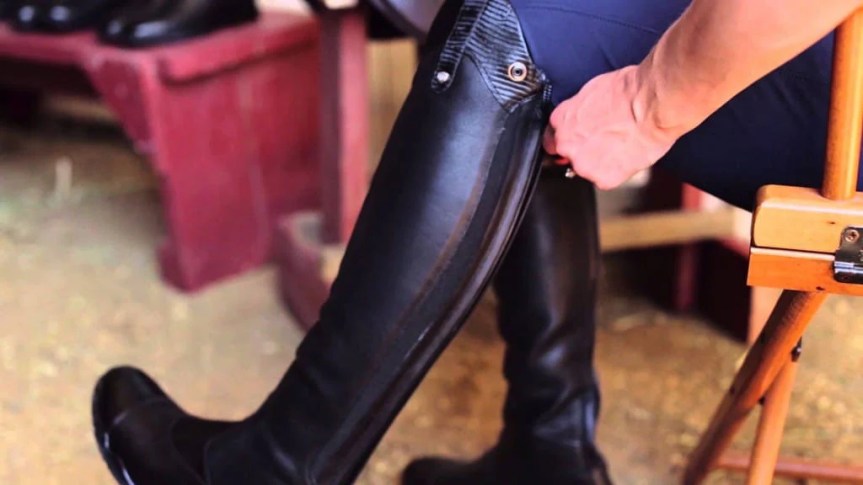
In the exhilarating world of horse racing, where fractions of a second can determine victory or defeat, every piece of equipment plays a crucial role. While much attention is often paid to the horse’s breeding and training, the jockey’s gear is equally vital, directly impacting their ability to perform at peak levels. Among the most critical components of any jockey’s ensemble are their boots. Far from being a mere fashion statement, the right pair of jockey boots provides essential support, grip, and comfort, directly influencing a rider’s connection with the horse and their overall effectiveness on the track.
This article delves into the intricate details of selecting the ideal jockey boots, emphasizing factors that contribute to both performance and rider comfort. We’ll explore the materials, design considerations, and ergonomic features that differentiate a good boot from a great one, ensuring that jockeys are optimally equipped for the intense demands of the sport.
The Foundation of Performance: Why Boots Matter
For jockeys, their boots are an extension of their legs, facilitating precise communication with the horse. The stirrups, where the boots find their perch, are the primary point of contact for transmitting subtle cues and maintaining balance at breakneck speeds. Ill-fitting or poorly designed boots can lead to discomfort, loss of grip, and even a compromised riding position, ultimately hindering performance.
Consider the immense forces at play during a race. A jockey must maintain a delicate balance, absorbing shocks while simultaneously guiding a powerful animal. Their boots must withstand these forces, offering stability and preventing slippage, especially during the critical moments of a sprint or a tight turn. This is why the selection of boots is as important as any other element of their jockey outfits horse racing.
Key Considerations When Selecting Jockey Boots
Choosing the perfect pair of jockey boots involves a blend of practical considerations and personal preference. Here are the essential factors to weigh:
1. Material Matters: Leather vs. Synthetics
Traditionally, jockey boots have been crafted from high-quality leather due to its durability, flexibility, and ability to mold to the wearer’s foot over time.
- Leather: Full-grain leather offers excellent breathability and comfort. It’s known for its longevity and classic aesthetic. However, it requires regular maintenance and can be heavier than synthetic alternatives.
- Synthetics: Modern synthetic materials, often blends of microfiber and advanced polymers, offer advantages like lighter weight, water resistance, and easier maintenance. They can also be highly durable and provide excellent grip. Some jockeys appreciate the consistent feel of synthetics, while others prefer the natural give of leather.
The choice often comes down to a balance between tradition, weight, and personal comfort.
2. Sole and Heel Design: Grip and Stability
The sole of a jockey boot is paramount for grip in the stirrups. It needs to provide sufficient traction without being overly bulky, which could impede movement.
- Sole Material: Rubber or composite soles are common, designed to resist wear and offer reliable grip, even in wet conditions.
- Heel Height and Shape: A well-defined heel is crucial for preventing the foot from sliding too far forward through the stirrup, a safety concern. The heel should be sturdy but not so high as to interfere with proper foot placement.
3. Fit and Comfort: A Second Skin
An ill-fitting boot is a recipe for discomfort and distraction. Jockeys spend hours in their boots, both during training and racing, so comfort is non-negotiable.
- Snug but Not Tight: The boot should fit snugly around the foot and ankle, preventing excessive movement, but without constricting blood flow or causing pressure points.
- Ankle Support: Adequate ankle support is vital for stability and injury prevention, especially during rapid movements and turns.
- Calf Fit: The calf portion of the boot should also fit well, allowing for flexibility without being baggy. Many modern boots feature elasticized panels or adjustable closures to accommodate different calf sizes.
A common issue among jockeys is finding boots that are both comfortable and provide the necessary feel for the horse. Some professional jockeys opt for custom-made boots to achieve the perfect fit, highlighting the importance of this aspect.
4. Weight: Every Ounce Counts
In horse racing, every ounce can impact performance. Lighter boots can contribute to a jockey’s overall weight reduction, which is often a critical factor. While durability and comfort remain priorities, manufacturers are constantly innovating to create lighter yet robust boot designs without compromising safety or performance. This attention to detail is evident across all components of jockey outfits horse racing.
5. Safety Features: Protecting the Rider
While not always explicitly listed, certain design elements contribute to rider safety.
- Reinforced Toes: Some boots include reinforced toe areas to offer a degree of protection against accidental impacts.
- Durable Construction: High-quality stitching and robust materials ensure the boots can withstand the rigors of racing, reducing the risk of equipment failure during a race.
Actionable Tips for Choosing Your Jockey Boots
- Try Before You Buy: Whenever possible, try on boots in person. Walk around, simulate riding movements, and pay close attention to how they feel.
- Consider Your Riding Style: Different jockeys have slightly different riding styles. Some prefer more flexibility, while others prioritize rigid support.
- Read Reviews and Seek Recommendations: Talk to experienced jockeys and trainers. Their insights can be invaluable. Online reviews can also offer practical perspectives.
- Don’t Skimp on Quality: While budget is always a factor, investing in high-quality boots is an investment in your performance and comfort. Cheap boots often wear out quickly and offer less support.
- Maintenance is Key: Regardless of the material, proper care and maintenance will extend the life of your boots and ensure they continue to perform optimally.
The Evolution of Jockey Footwear
The evolution of jockey outfits horse racing has seen significant advancements, and boots are no exception. From simple leather designs to technologically advanced footwear incorporating lightweight composites and ergonomic features, the focus remains on enhancing the jockey’s connection with the horse and maximizing their potential. Modern research into biomechanics and material science continues to drive innovation, leading to boots that offer superior grip, reduced weight, and enhanced comfort, all contributing to safer and more efficient racing.
Conclusion
Choosing the right jockey boots is a critical decision that directly impacts a jockey’s performance, comfort, and safety. By carefully considering factors such as material, sole design, fit, weight, and safety features, jockeys can select footwear that acts as a seamless extension of their body. Investing time and effort into this selection process ensures that every stride on the track is supported by optimal equipment, allowing the jockey to focus entirely on the race and their partnership with the magnificent animal beneath them. The right boots are not just a purchase; they are a vital component of a winning strategy.
Author Bio:- The author is a seasoned equestrian enthusiast and writer with over a decade of experience covering various aspects of horse sports, particularly racing. Their passion for the sport extends from the thoroughbreds to the intricate details of rider equipment and training methodologies. With a deep understanding of the demands placed on athletes and animals alike, they strive to provide insightful and practical advice to help riders achieve their best.
 Sports Blog