

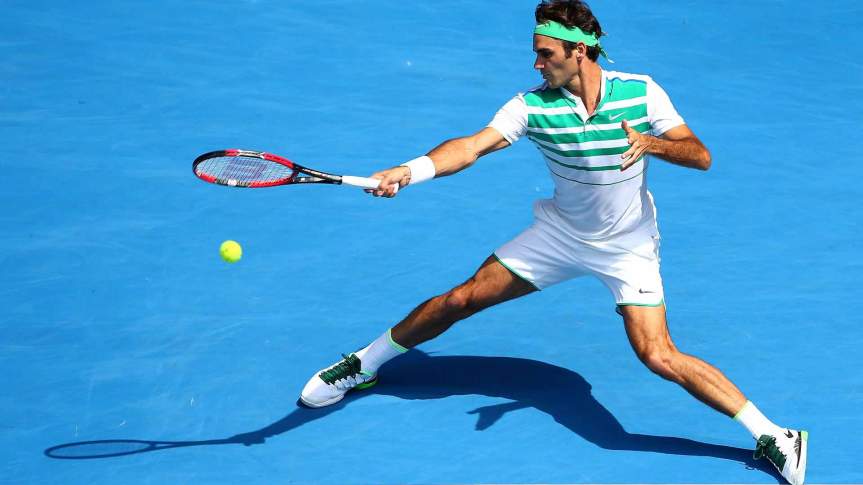
Tennis, a sport rich in history and tradition, is more than just a game of skill; it embodies a unique blend of physical prowess, mental acuity, and strategic planning. Whether played on a sunny outdoor court or under the lights in a bustling indoor arena, tennis captivates millions around the world. This article delves into the fundamental aspects of tennis, from its origins and rules to techniques and the mental fortitude required to excel.
A Brief History of Tennis
Tennis traces its origins back to the late 12th century, likely in France, where a game known as “jeu de paume” (game of the palm) was played. Players would strike a ball with their hands before the introduction of racquets in the 16th century. The modern version of the game began to take shape in the late 19th century, primarily in England, leading to the establishment of the All England Club and the first Wimbledon Championships in 1877. Since then, tennis has evolved into a global phenomenon, with professional tours and Grand Slam tournaments capturing the attention of sports enthusiasts everywhere.
Understanding the Rules
At its core, tennis is played between two players in singles or two teams of two in doubles. The objective is to score points by hitting the ball over the net and into the opponent’s court in a manner that prevents them from returning it. The game is structured in sets, and a player must win six games to win a set, but they must also win by at least two games. This introduces a compelling strategic layer, especially in closely contested matches.
Players serve the ball from behind the baseline, and the serve must land in the designated service box. A point is scored when the opponent fails to return the ball, hits it out of bounds, or commits a fault. The scoring system can seem peculiar at first glance, with terms like “love” (zero), “15,” “30,” and “40” reflecting the game’s historic roots. A game can end in a deuce, requiring players to win by two clear points.
Essential Techniques and Skills
Mastering tennis requires a combination of various techniques, each contributing to a player’s overall performance. Here are some of the key skills:
1. Serving
The serve is a critical aspect of tennis, often viewed as a player’s strongest weapon. A well-executed serve can set the tone for the entire match. Players must focus on their grip, stance, and the toss of the ball to create powerful and accurate serves. Variations such as flat serves, slice serves, and kick serves add depth to a player’s arsenal, making it harder for opponents to predict the next move.
2. Groundstrokes
Groundstrokes, typically forehands and backhands, are the shots played after the ball has bounced. These shots are fundamental in rallying and constructing points. A solid grip and proper footwork are essential for executing effective groundstrokes. Players must learn to generate topspin or hit flat shots based on the situation, allowing for versatility in different match conditions.
3. Volleys
Volleys are shots played before the ball bounces, usually executed at the net. Effective volleying can put pressure on opponents, forcing them to respond quickly. Players must work on their timing and positioning, ensuring they can intercept balls while maintaining balance.
4. Footwork and Movement
Perhaps the most overlooked skill in tennis is footwork. Quick, agile movement allows players to position themselves optimally for each shot. Efficient footwork aids in maintaining balance and generating power, especially during explosive shots. Drills focusing on lateral movement, sprinting, and agility can greatly enhance a player’s court coverage.
The Mental Game
Tennis is as much a mental challenge as it is a physical one. Players must maintain focus, resilience, and strategic thinking throughout a match. The pressure of competition can lead to anxiety, which is why mental conditioning has become a significant aspect of training. Visualization techniques, mindfulness, and self-talk are valuable tools that help athletes manage stress and maintain composure, especially during critical moments in matches.
The Social and Health Benefits
Beyond competition, tennis fosters a sense of community. Local clubs and leagues provide opportunities for social interaction, making the sport accessible to players of all ages and skill levels. Playing tennis is also an excellent form of physical exercise, enhancing cardiovascular health, improving coordination, and promoting mental well-being. The combination of strategic thinking and physical exertion can be an invigorating way to relieve stress and stay fit.
Conclusion
Tennis, with its intricate blend of history, technique, and mental strategy, offers something for everyone. From aspiring young players to seasoned professionals, the sport presents endless opportunities for growth and enjoyment. As players continue to develop their skills and understanding of the game, the passion for tennis remains a timeless pursuit, captivating hearts and minds around the globe.
 Sports Blog