

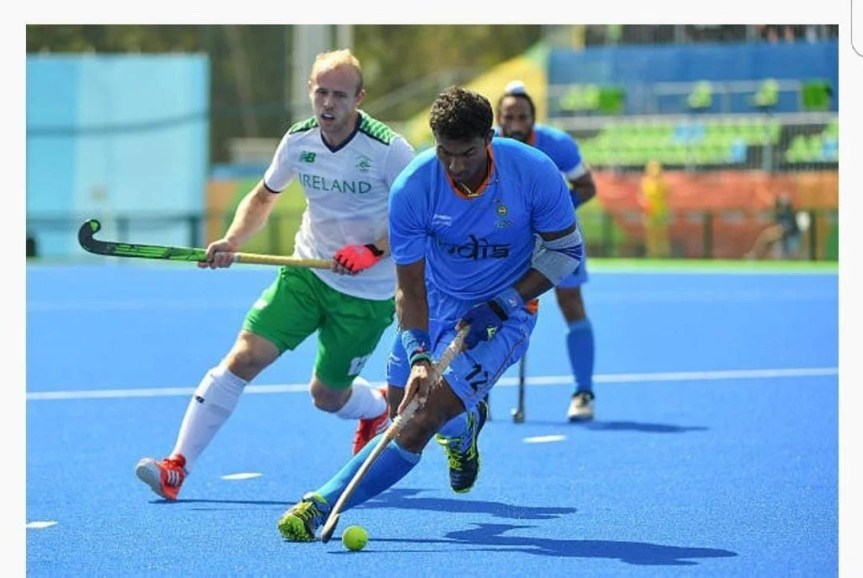
Hockey, a sport renowned for its speed, skill, and teamwork, captivates millions around the globe. From the roar of the crowd to the crack of the puck against the stick, hockey transcends mere entertainment; it’s a blend of strategy, athleticism, and passion. This article explores the nuances of hockey, covering its rules, techniques, and the culture surrounding the game.
The Basics of Hockey
At its core, hockey involves two teams competing to score goals by hitting a puck into the opposing team’s net. Each team consists of six players on the ice at any given time: three forwards, two defensemen, and one goaltender. The game is played on an ice rink, which measures 200 feet by 85 feet. Understanding the layout is crucial; the rink is divided into three zones—the offensive zone, defensive zone, and neutral zone—each playing a vital role in gameplay dynamics.
Rules of the Game
Hockey is governed by a series of rules that dictate how the game is played. The basic objective is straightforward: score more goals than the opposing team. However, numerous regulations influence how the game unfolds:
- Offside Rule: A player cannot enter the offensive zone before the puck does. If a player crosses the blue line before the puck, the play is stopped, leading to a face-off outside the zone. This rule prevents “cherry-picking,” where players wait close to the opponent’s net for easy scoring opportunities.
- Icing: This occurs when a player shoots the puck from their defensive zone across the opposing goal line without it being touched. Icing halts play, and a face-off occurs in the offending team’s zone, emphasizing the importance of strategic puck movement.
- Penalties: Players who commit infractions can receive penalties, which result in them serving time in the penalty box, leaving their team short-handed. Common penalties include tripping, hooking, and high-sticking. Understanding these can significantly affect the game’s momentum, as teams often leverage power plays to score.
The Techniques and Skills of Hockey
Success in hockey requires a diverse skill set, and players must master various techniques:
- Skating: The foundation of hockey, skating skills are essential. Players must be agile, powerful, and precise on their skates. Techniques such as crossovers, stops, and starts allow players to maneuver effectively on the ice.
- Stickhandling: This involves controlling the puck with the stick while skating. Exceptional stickhandling enables players to navigate through defenders and create scoring opportunities.
- Shooting: Scoring in hockey relies heavily on shooting techniques. Players utilize wrist shots, slap shots, and snap shots, each serving different purposes. The ability to shoot accurately and with power can make a significant difference during crucial moments.
- Passing: Effective passing is vital for team play. Players must communicate and anticipate each other’s movements. Techniques like saucer passes and bank passes can open up scoring lanes and maintain possession.
The Role of Goaltenders
The goaltender occupies a unique position on the ice, tasked with preventing the puck from entering the net. Their skills are a blend of agility, reflexes, and strategic thinking. Goaltenders employ various techniques, such as the butterfly stance and positional play, to maximize their chances of making saves. A successful goaltender can be the difference between victory and defeat, often acting as the backbone of the team.
The Culture of Hockey
Hockey is more than just a game; it embodies a vibrant culture that fosters community and camaraderie. Fans passionately support their teams, creating an electric atmosphere at games. From local rinks to professional arenas, the sense of belonging and shared excitement enhances the experience.
Moreover, hockey traditions, such as the post-game handshake between teams and the singing of team songs, add depth to the sport. These rituals reinforce the values of respect and sportsmanship that are integral to the game.
The Global Impact of Hockey
While hockey has its roots in Canada and northern Europe, its influence has expanded globally. Countries like the United States, Russia, Sweden, and Finland have developed strong hockey programs, contributing to the sport’s evolution. International tournaments, such as the IIHF World Championship and the Winter Olympics, showcase the world’s top talent, further solidifying hockey’s place on the global stage.
Embracing the Game
For those new to hockey, immersing oneself in the sport can be incredibly rewarding. Whether playing, watching, or participating in community events, the excitement of hockey is palpable. As fans and players alike understand the intricacies of the game, they develop a deeper appreciation for the skill, strategy, and passion that define hockey.
Hockey’s blend of athletic prowess and strategic complexity creates an unparalleled experience, ensuring its status as one of the world’s most beloved sports. Whether on the ice or in the stands, the spirit of hockey unites individuals in a celebration of teamwork and competition, making it a cherished part of many lives.
 Sports Blog