

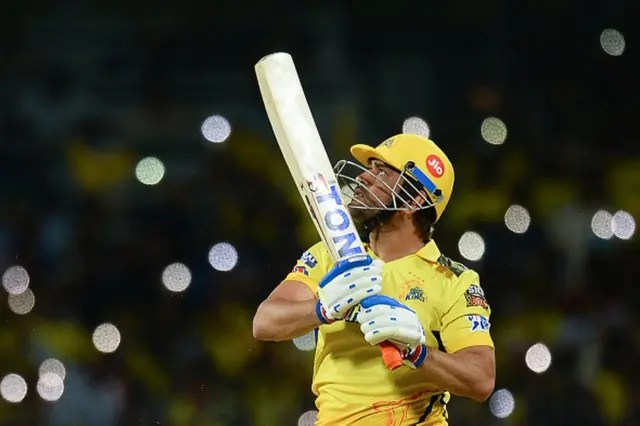
Cricket is more than just a sport; it is a cultural phenomenon that transcends borders and unites people. Known for its rich history, diverse formats, and vibrant traditions, cricket has become an integral part of life in many countries. This post explores the origins of cricket, its rules and formats, the significance of the game in various cultures, and its promising future.
The Origins of Cricket
Cricket’s roots can be traced back to the 16th century in England, where it began as a children’s game. Initially played in rural areas, it gradually gained traction among adults, evolving into a popular pastime. By the late 17th century, organized matches were becoming commonplace, and in 1787, the establishment of the Marylebone Cricket Club (MCC) marked a turning point. The MCC codified the laws of cricket, laying the foundation for the game as we know it today.
The first official Test match took place in 1877 between England and Australia, setting off a fierce rivalry that continues to captivate fans. Over the years, cricket expanded its reach, becoming a beloved sport in countries like India, Pakistan, Australia, and the West Indies, each contributing to its rich tapestry of history.
Understanding the Game: Rules and Formats
Cricket is played between two teams of eleven players each, on a circular or oval field with a rectangular pitch at the center. The goal is straightforward: score more runs than the opposing team.
The Fundamental Rules
- Innings: Each team has a turn to bat and bowl, known as an innings. In Test matches, teams typically have two innings each, while in limited-overs formats, they play just one.
- Scoring Runs: Runs can be scored by the batsmen running between the wickets after hitting the ball. A boundary scores four runs if the ball touches the ground before crossing the boundary and six runs if it crosses the boundary without touching the ground.
- Wickets: The bowling team’s primary objective is to dismiss the batsmen, which can occur through various methods, such as being bowled, caught, or leg before wicket (LBW). An innings concludes when ten batsmen are out.
Different Formats of Cricket
Cricket is played in several formats, each offering its own style and excitement:
- Test Cricket: The longest format, lasting up to five days, is characterized by a slow-paced and strategic approach. Matches can end in a win, loss, or draw, making it a test of endurance and skill.
- One Day Internationals (ODIs): Each team faces a set number of overs, typically 50. This format balances strategy with a quicker pace, making it appealing to both seasoned fans and newcomers.
- Twenty20 (T20): A relatively new format where each team bats for just 20 overs. T20 matches are known for their fast pace and explosive performances, attracting a younger audience and generating high entertainment value.
The Cultural Significance of Cricket
Cricket is deeply embedded in the cultures of many countries, serving as a source of national pride and unity. Major tournaments, such as the Cricket World Cup and the Indian Premier League (IPL), are celebrated events that bring people together, regardless of background.
A Unifying Force
Cricket has an extraordinary ability to bridge divides. In countries like India and Pakistan, where historical tensions exist, cricket matches can foster a sense of shared identity. These games become more than mere contests; they are opportunities for communities to come together and celebrate a common passion.
The Rise of Women in Cricket
Women’s cricket has gained momentum in recent years, leading to greater visibility and opportunities for female athletes. The establishment of professional leagues and international competitions has highlighted the talent of players like Meg Lanning, Ellyse Perry, and Smriti Mandhana. Their achievements not only enhance the sport but also inspire young girls to pursue their dreams in cricket, promoting inclusivity and diversity within the game.
The Future Landscape of Cricket
Cricket is poised for an exciting future, driven by technological advancements and changing audience preferences. Innovations like Hawk-Eye technology for ball tracking and the Decision Review System (DRS) enhance the accuracy of officiating and viewer engagement.
Embracing Digital Media
The rise of digital platforms has transformed how fans consume cricket. Streaming services and social media allow for unprecedented access to matches and player interactions, creating a global community of cricket enthusiasts. This digital evolution ensures that cricket remains relevant and continues to attract new fans from diverse backgrounds.
The Lasting Legacy of Cricket
Cricket stands as a testament to the power of sport in bringing people together. Its complex history, varied formats, and cultural significance make it more than just a game; it is a shared experience that transcends time and geography. As the sport continues to evolve, it will undoubtedly adapt to the changing landscape, ensuring that cricket retains its status as a beloved pastime for generations to come.
 Sports Blog