

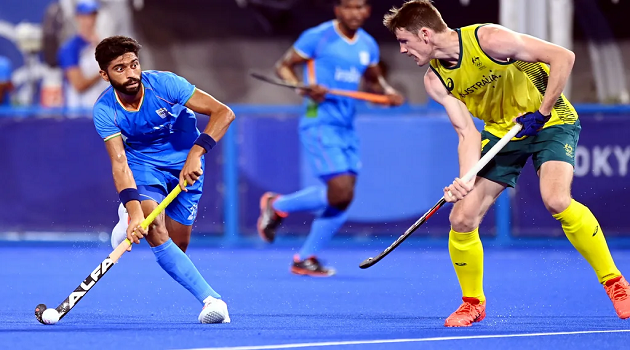
Hockey is more than just a sport; it is a cultural phenomenon that captivates fans worldwide with its thrilling pace, strategic depth, and team dynamics. From the crack of the stick against the puck to the rush of adrenaline as players navigate the ice, hockey embodies a unique blend of skill, athleticism, and passion. This article aims to provide a thorough understanding of hockey, examining its rules, techniques, the role of players, and the rich culture that surrounds this beloved game.
The Essentials of Hockey
At its heart, hockey involves two teams competing to score goals by shooting a puck into the opponent’s net. Each team fields six players: three forwards, two defensemen, and one goaltender. The game takes place on an ice rink measuring 200 feet by 85 feet, which is divided into three zones: the offensive zone, defensive zone, and neutral zone. Each zone plays a crucial role in shaping gameplay, with teams strategizing to dominate each area.
Key Rules of the Game
Understanding hockey requires familiarity with its rules, which dictate how play unfolds:
- Offside Rule: Players must enter the offensive zone only after the puck has crossed the blue line. If a player crosses the line too early, the play is halted, and a face-off occurs outside the zone. This rule maintains fairness and encourages strategic play.
- Icing: When a player shoots the puck from their defensive zone across the opponent’s goal line without anyone touching it, icing is called. This stops the play and results in a face-off in the offending team’s defensive zone. The icing rule prevents teams from simply clearing the puck down the ice and encourages more tactical puck movement.
- Penalties: Infractions such as tripping, slashing, and high-sticking result in penalties. Players who commit these fouls must serve time in the penalty box, temporarily leaving their team short-handed. Penalties can dramatically shift the momentum of a game, often leading to high-pressure situations on the ice during power plays.
Essential Techniques and Skills
Success in hockey demands a diverse set of skills and techniques:
- Skating: The cornerstone of hockey, effective skating is vital for all players. Mastery of basic techniques such as stopping, turning, and accelerating enables players to maneuver skillfully. Players often practice drills to enhance their agility and speed on the ice.
- Stickhandling: This skill involves controlling the puck with the stick while skating. Good stickhandling allows players to navigate through defenders and create scoring opportunities. Techniques like deking—faking out an opponent—are crucial for maintaining puck possession and advancing the play.
- Shooting: Scoring requires precise shooting techniques. Players utilize various shots, including wrist shots, slap shots, and snap shots, each with its advantages. Effective shooting combines accuracy and power, allowing players to capitalize on scoring chances.
- Passing: Successful hockey relies heavily on effective passing. Players must develop good communication skills and anticipate teammates’ movements. Techniques such as saucer passes (which lift the puck over an opponent’s stick) are essential for maintaining possession and creating opportunities.
The Critical Role of Goaltenders
The goaltender occupies a unique and vital position on the team. Tasked with stopping the puck from entering the net, they must possess exceptional reflexes, agility, and mental fortitude. Goaltenders employ various techniques, such as the butterfly position (where they drop to their knees to block shots) and positional play to maximize their coverage. A stellar performance from a goaltender can often be the determining factor in a game, making their role indispensable.
The Culture Surrounding Hockey
Hockey is deeply ingrained in the culture of many communities, fostering a sense of belonging among fans and players alike. The atmosphere at games is electric, with fans passionately supporting their teams. Local rinks often serve as hubs for community engagement, where young players can hone their skills and foster friendships.
Traditions in hockey further enrich its culture. Post-game handshakes between teams symbolize respect, while team songs create a sense of unity. These customs reinforce the values of sportsmanship and camaraderie that define the sport.
The Global Reach of Hockey
While hockey has strong roots in Canada and northern Europe, its influence has spread worldwide. Countries such as the United States, Russia, Sweden, and Finland boast robust hockey programs, contributing to the sport’s global prominence. International competitions, like the IIHF World Championship and the Winter Olympics, showcase top talent, bringing together diverse nations and elevating the profile of hockey on a world stage.
Engaging with the Sport
For those looking to engage with hockey, there are numerous ways to participate. Whether through playing at local rinks, attending games, or watching professional matches on television, the excitement of hockey is accessible to all. Learning about the intricacies of the game enhances the enjoyment, allowing fans to appreciate the skill and strategy involved.
Hockey embodies a rich tapestry of athleticism, strategy, and community spirit. Its dynamic gameplay and passionate following ensure that it remains one of the most thrilling sports in the world. As players and fans immerse themselves in the game, they contribute to a vibrant culture that celebrates teamwork, competition, and the joy of sport.
 Sports Blog