

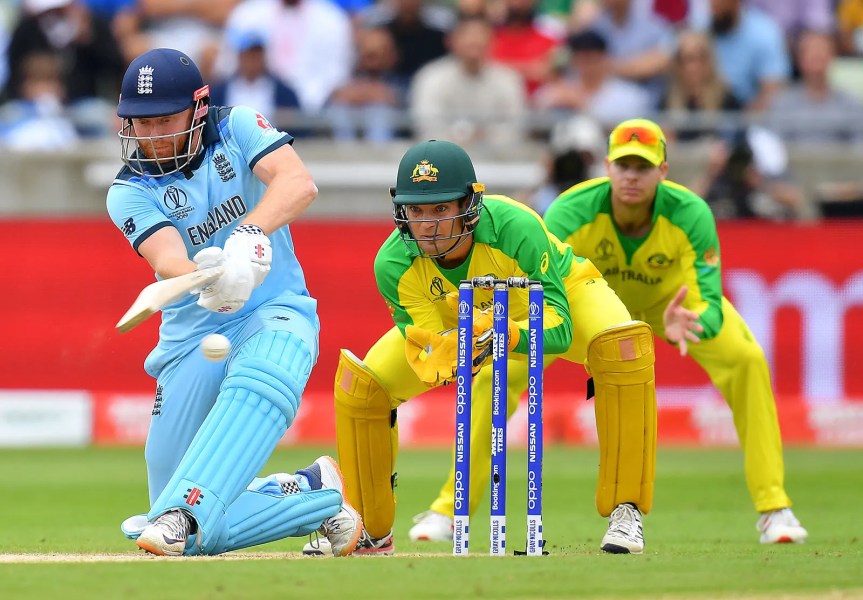
Cricket is more than just a game; it’s a rich tapestry of culture, history, and community that has captivated millions across the globe. From the sun-drenched fields of England to the bustling streets of Mumbai, cricket has woven itself into the very fabric of societies. This blog post delves into the intricacies of this beloved sport, exploring its history, rules, formats, and cultural significance.
A Brief History of Cricket
Cricket’s origins can be traced back to the 16th century in England. Initially, it was a children’s game played in rural areas, but by the late 17th century, it had gained prominence among adults. The establishment of the Marylebone Cricket Club (MCC) in 1787 marked a pivotal moment in the sport’s history, as the MCC codified the laws of cricket. This laid the groundwork for the modern game, which has since spread to become a global phenomenon.
Throughout the 19th and 20th centuries, cricket evolved significantly, especially with the introduction of international matches. The first official Test match took place between Australia and England in 1877, setting the stage for one of the fiercest rivalries in sports. Today, cricket is governed by the International Cricket Council (ICC), which oversees international competitions and the development of the game worldwide.
Understanding the Basics: Rules and Formats
Cricket is played between two teams, each consisting of eleven players. The game is played on a circular or oval-shaped field with a rectangular pitch at its center. The primary objective is to score more runs than the opposing team.
The Core Rules
- Innings: Each team gets a turn to bat and bowl, known as an innings. In Test cricket, each team typically has two innings, while in limited-overs formats like One Day Internationals (ODIs) and Twenty20 (T20), each team has one innings.
- Scoring Runs: Runs are scored when the batsmen successfully run between the wickets after hitting the ball. Boundaries can also score runs: hitting the ball over the boundary without touching the ground earns six runs, while hitting it over the boundary after one bounce earns four runs.
- Wickets: The bowling team aims to dismiss the batsmen, which can happen in various ways, such as being bowled, caught, or leg before wicket (LBW). A team’s innings concludes when ten batsmen are out.
Formats of the Game
Cricket is played in several formats, each offering a unique flavor:
- Test Cricket: The longest format, played over five days, allows for a deep tactical approach. Matches can end in a win, loss, or draw.
- One Day Internationals (ODIs): Each team faces a set number of overs, typically 50. This format combines strategy with a fast-paced style, making it accessible for newer fans.
- Twenty20 (T20): A relatively recent format where each team bats for 20 overs, T20 has revolutionized cricket with its explosive nature and shorter time commitment, attracting a younger audience and a plethora of new talent.
The Cultural Significance of Cricket
Cricket’s influence extends far beyond the field. In countries like India, Pakistan, Australia, and England, the sport is deeply ingrained in national identity. Major tournaments, such as the Cricket World Cup and the Indian Premier League (IPL), draw massive viewership and sponsorship, creating a vibrant atmosphere filled with excitement and anticipation.
Cricket as a Unifying Force
One of cricket’s most profound impacts is its ability to bring people together. In regions where divisions might otherwise exist, cricket fosters unity and camaraderie. The sport transcends language, social status, and cultural barriers, serving as a platform for shared experiences and collective pride.
The Role of Women in Cricket
Women’s cricket has seen significant growth in recent years. The establishment of professional leagues and international tournaments has provided women with more visibility and opportunities. Icons like Mithali Raj, Ellyse Perry, and Smriti Mandhana have emerged, inspiring young girls worldwide to take up the sport. This shift not only enriches the game but also promotes gender equality within sports.
The Future of Cricket
As cricket continues to evolve, technological advancements are playing a crucial role. Innovations such as Hawk-Eye for ball tracking and the Decision Review System (DRS) enhance the accuracy of officiating and elevate the viewer experience. Additionally, the rise of digital media platforms is making cricket more accessible to global audiences, ensuring that the sport remains relevant in an ever-changing world.
Cricket, with its intricate blend of history, strategy, and cultural significance, captivates hearts and minds alike. As the sport moves forward, it promises to continue fostering connections among people while adapting to the modern landscape. Whether you’re a seasoned fan or a newcomer, there is always something to learn and appreciate in the world of cricket.
 Sports Blog