

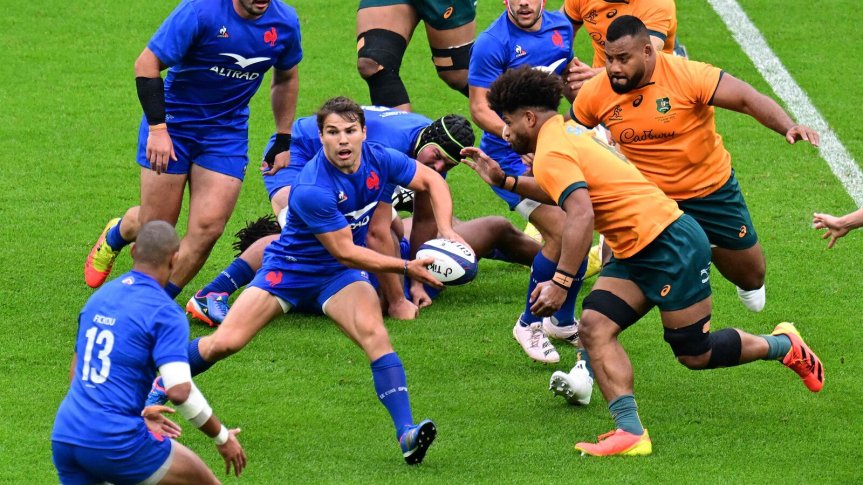
Rugby is more than just a game; it’s a celebration of skill, teamwork, and endurance. Originating in England in the early 19th century, this sport has grown into a global phenomenon, captivating millions of fans and players alike. This guide will explore the fundamental aspects of rugby, from its rules and variations to its cultural significance.
The Basics of Rugby
At its core, rugby is a contact sport played between two teams, typically consisting of 15 players in union and 7 players in sevens. The objective is to score more points than the opposing team by carrying the ball over the opponent’s goal line or kicking it between the goalposts.
Scoring
Points can be scored in several ways:
- Try: Worth five points, a try is awarded when a player grounds the ball in the in-goal area.
- Conversion: After scoring a try, the team has an opportunity to kick the ball through the goalposts from a spot in line with where the try was scored, earning an additional two points.
- Penalty Kick: Awarded for certain infractions, a successful penalty kick is worth three points.
- Drop Goal: A player can score three points by kicking the ball through the goalposts during open play, provided it is dropped and then kicked.
The Field and Equipment
Rugby is played on a rectangular field, typically 100 meters long and 70 meters wide. At each end, there are goalposts that are 5.6 meters apart and stand 3 meters tall. Players wear a standard rugby jersey, shorts, socks, and cleats, with some opting for additional protective gear such as mouthguards and padded headgear.
Variants of Rugby
While rugby union is the most widely known format, there are several variations of the game, each with its unique characteristics.
Rugby Union
This format features 15 players on each side, divided into forwards and backs. The forwards, typically larger and stronger, are primarily responsible for physical contests, while the backs, who are generally faster, focus on strategic plays and scoring.
Rugby Sevens
As the name suggests, this version involves seven players on each team and is played on a smaller field. The matches are shorter, lasting just 14 minutes, making them fast-paced and action-packed. Rugby sevens has gained prominence in recent years, culminating in its inclusion in the Olympic Games.
Rugby League
Originating from a split in rugby union in 1895, rugby league features 13 players per side and has different rules regarding tackles and possession. This variant emphasizes speed and strategy, with an action-packed format that keeps fans engaged.
Fundamental Rules
Understanding the basic rules of rugby is essential for both players and spectators. Here are a few key aspects:
- Tackling: Players must tackle opponents below the line of the shoulders. High tackles can lead to penalties.
- Offside Rule: A player is offside if they are in front of a teammate who has the ball when it is played. Being offside results in a penalty against the offending team.
- Scrums: This is a method of restarting play following minor infractions. The forwards from both teams bind together and push against each other to compete for possession of the ball.
- Lineouts: When the ball goes out of play, a lineout is formed. Players from each team jump to catch the ball as it is thrown in.
The Culture and Community of Rugby
Rugby embodies a rich culture, fostering a strong sense of community among players and fans. Its values—teamwork, respect, and discipline—are paramount. Many clubs and national teams emphasize the importance of sportsmanship and character development.
Global Impact
Rugby has a significant global following, with major tournaments like the Rugby World Cup showcasing the sport’s international appeal. Nations from every corner of the globe compete, uniting fans from diverse backgrounds and cultures. The Rugby World Cup, held every four years, is one of the largest sporting events in the world, drawing in millions of viewers.
Grassroots Development
Beyond the professional level, rugby thrives at the grassroots, where local clubs play a crucial role in nurturing talent. Many organizations are dedicated to increasing participation among youth, promoting health, fitness, and social interaction.
Conclusion: A Sport of Passion and Unity
Rugby is more than just a physical contest; it’s a way of life for many. With its rich history, diverse formats, and unwavering community spirit, rugby continues to inspire and unite individuals across the globe. Whether you are a player, a fan, or someone curious about the sport, rugby offers something for everyone, inviting all to experience its thrilling embrace.
 Sports Blog